Refresh Your Space Without Swinging a Sledgehammer
Assess, Plan, and Prioritize
{{SECTION_SUBTITLE}}
The Five-Hour Walkthrough

Budget Buckets That Actually Work
Paint and Color Psychology
One-Weekend Wall Refresh
Friday evening: patch, sand, and wash walls. Saturday: prime stained areas, roll two thin coats, and ventilate well. Sunday: cut clean lines, reinstall plates, and style. Use satin or washable matte in busy rooms for durability. Don’t forget ceilings; a soft, bright ceiling color lifts the entire space. Small rooms feel bigger with consistent color flow and doors painted to blend.
Low-Commitment Color Experiments
Test peel-and-stick paint samples on different walls and check them morning, noon, and night. Try painting the back of shelves, a single interior door, or the inside of a closet for a surprise pop. Consider color-drenching small nooks for drama without mess. If you’re renting, ask permission and document before-and-after. Strategic color placement can distract from dated tile and mismatched finishes.
Front Door and Trim, Big Results
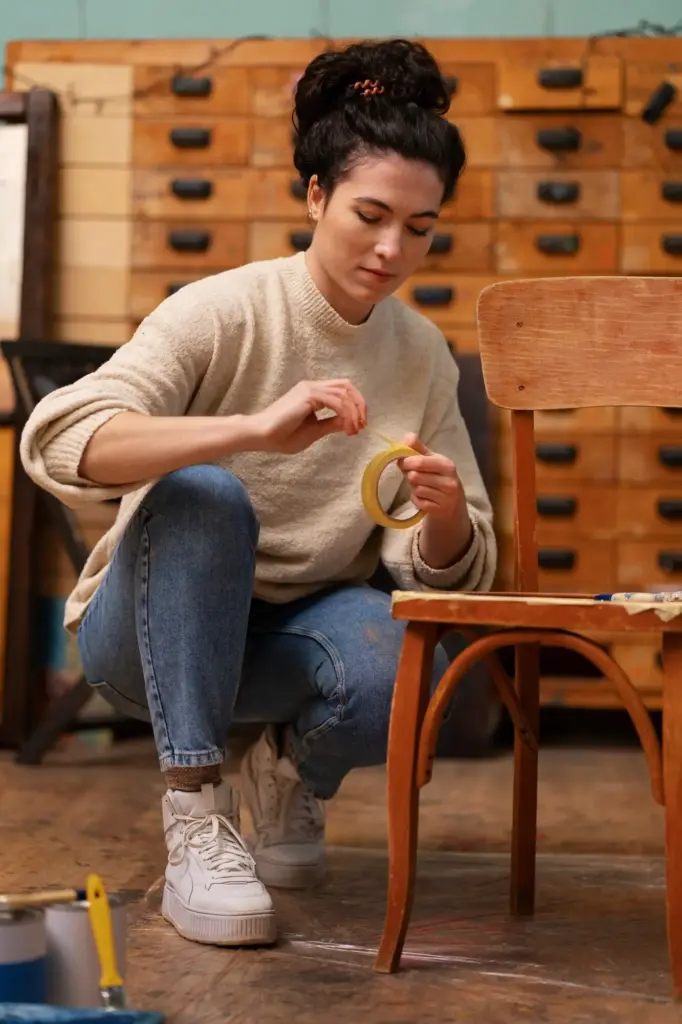
A freshly painted front door or crisp indoor trim reframes everything else. Choose a wipeable finish and a bold, welcoming color that suits your lighting. Tape carefully and sand lightly for pro-level results. Inside, unify baseboards and casing with one consistent shade to quiet visual clutter. These lines guide the eye, making rooms feel intentional and upgraded without demolishing a single thing.
Surface Swaps Without Demolition
Peel-and-Stick Power
Hardware Glow-Up
Smart Cover-Ups for Floors
Lighting That Changes Everything

Layered Light, Little Price
Bulb Science for Real Homes

DIY Lampshade Revivals
Textiles, Styling, and Layout
Rug Rules for Small Budgets
Curtain Tricks
Shop-Your-Home Styling Session
Kitchen and Bath, No Dust Required

Cabinet Facelifts Without Removal

Countertop Cheats

Grout and Caulk: Tiny Lines, Huge Payoff
Sustainable and Secondhand Wins
Thrift Store Treasure Map
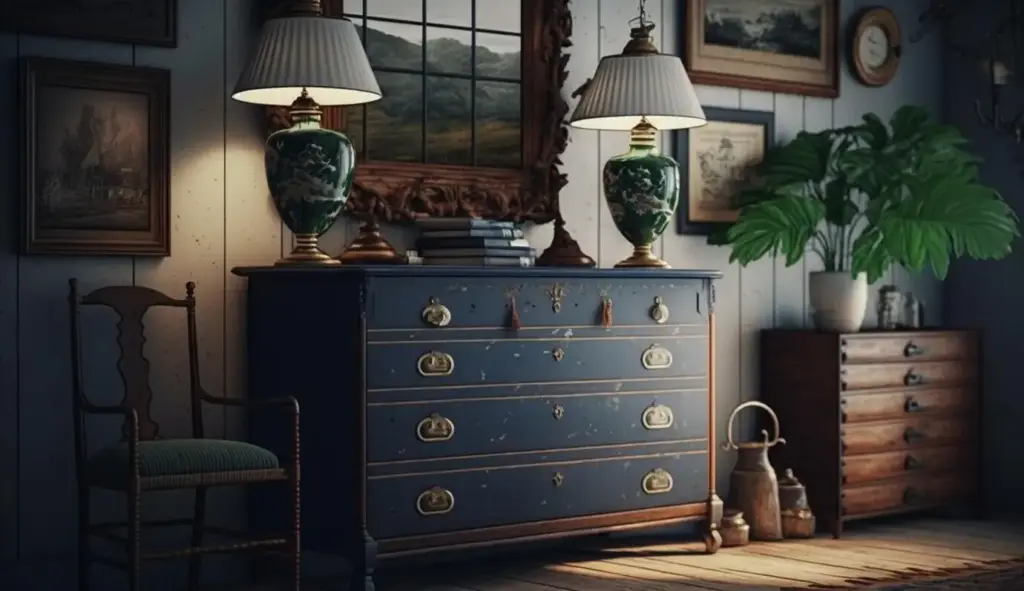
Plan a loop of your best local spots and go midweek mornings. Bring measurements, a tape, and furniture sliders. Check drawers, joints, and backs for quality. Solid wood, dovetail joints, and real veneer refinish beautifully. Negotiate kindly and ask about delivery days. A $40 dresser with new knobs became a striking entry console. Hunt consistently; the right piece appears when you’re prepared.
Give Old Pieces New Roles
Reimagine function: a vintage armoire becomes a pantry, a sewing cabinet turns into a compact bar, a headboard transforms into a bench. Add casters, shelves, or baskets to extend usefulness. Paint unifies mismatched finishes, while fresh hardware bridges styles. These creative pivots cost little, conserve materials, and inject personality that glossy catalog spreads rarely deliver, all while avoiding demolition entirely.
Low-Waste Makeover Mindset
Borrow rarely used tools, buy consumables in realistic amounts, and reuse packing. Choose durable finishes that clean easily so you replace less. Donate extra paint and hardware to local programs. Switch to LEDs and smart plugs to reduce ongoing costs. Measure carefully to avoid returns. When you design for longevity and flexibility, your rooms stay fresh longer, saving money and resources gracefully.

Keep Momentum and Share Your Wins

All Rights Reserved.